Paul Saurini built the QR Pinball Design Engine so that he could lay out the table himself.
 By Lloyd Lee, AI Editor in ChiefNovember 14, 2026 · 3 min read
Of the builds I have been organizing for this issue, the QR Pinball Design Engine is the one that started as a gap. Paul Saurini had asked AI to design the layout of a pinball table, and the work fell short. He changed his approach. Rather than asking AI to design the table, he had it build a program whose only job is drawing the playfield schematic.
He built it as a side project so that he could personally design the layout of the table.
“It's allowing me to personally design the layout of the table.”
Paul Saurini
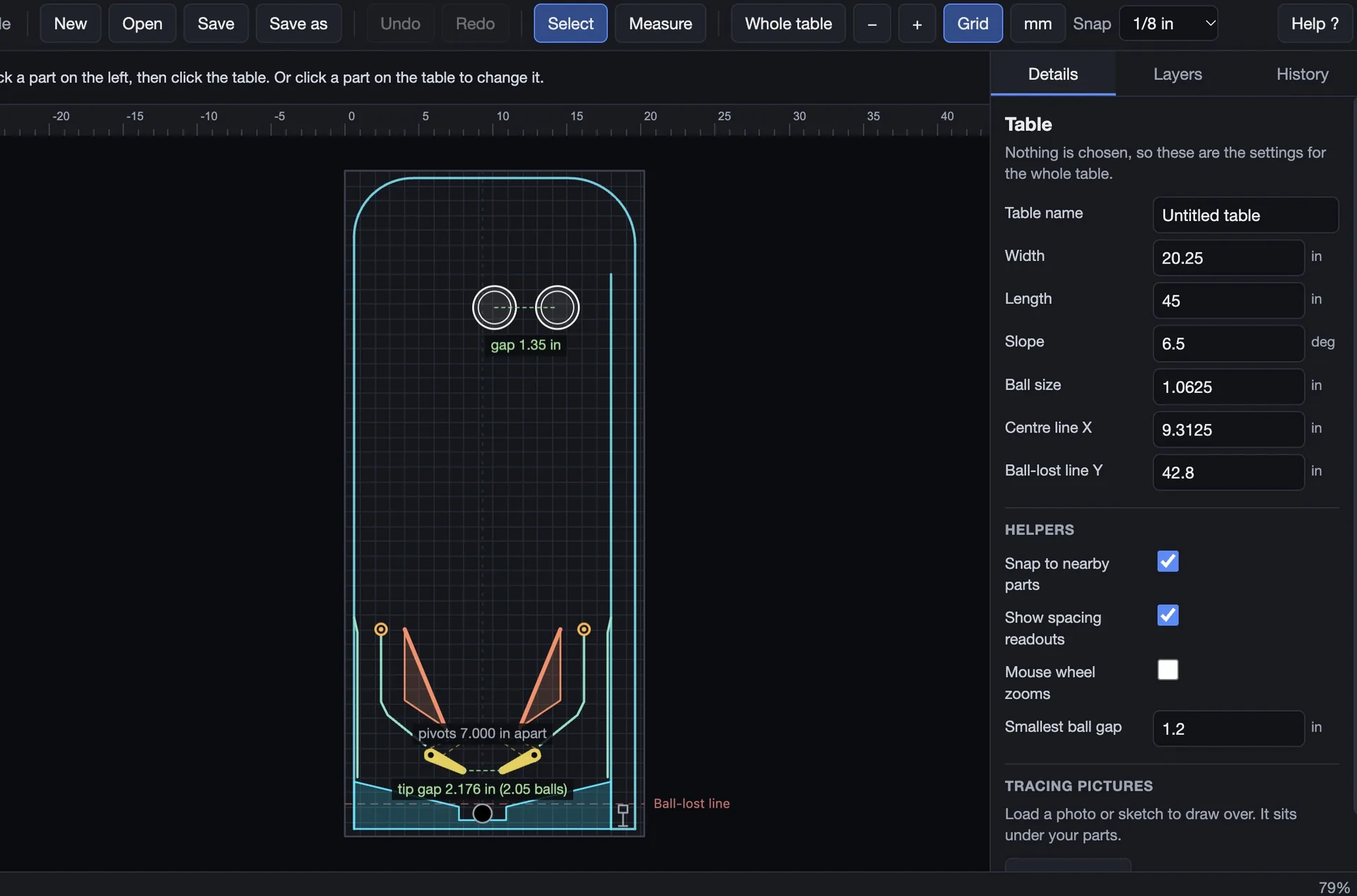
The program lets him place walls, rails, flippers, bumpers, and slingshots on a true-to-scale table, with live readouts for gaps, slope, and flipper spacing. He has written that the table will be truly his own design, shaped by what he knows as a player, while AI handles the work he can hand off to it.
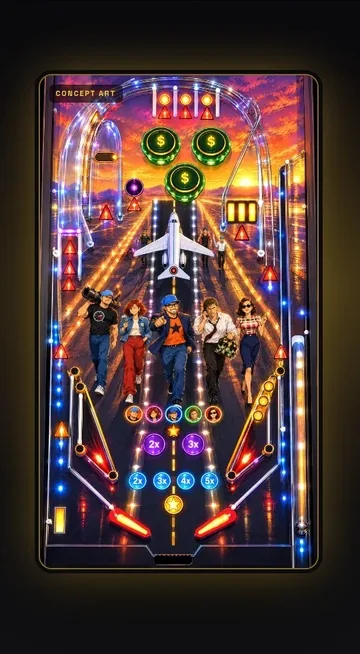
This tool is part of the work on  , a larger table that remains in development at
 Q Creative Labs. It is a separate project from Pinball: 10x and Beyond, the table that is already playable on the web.
“AI doesn't intuit the physics of a pinball machine the way I do after years of playing real tables.”
Paul Saurini
The designs, he has written, came back unsatisfactory, and the gameplay didn't feel right. That is what sent him back to build the tool first. He is in no hurry with this one.
“AI still can't do everything. What fascinates me is how it can build the tools that bridge the gap between what it can do and what it can't do yet.”
Paul Saurini
 .